Nieuws
Looking for space to grow? Find out more
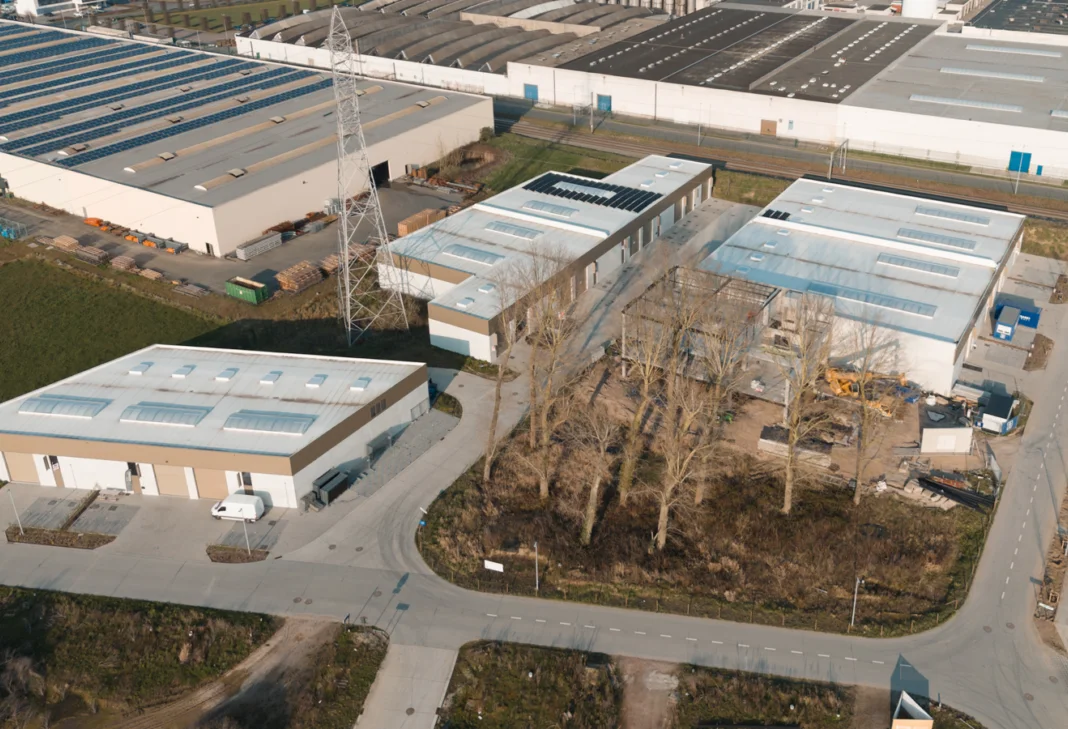
An article recently claimed that West Flanders would see more and more companies moving to Wallonia due to a shortage of space for business. It is understandable that such a message attracts a lot of attention; space for economic activity is an important issue for our economy. But the story is more nuanced than simply “there is no land left”.
It is true that the official stock of available plots in Flanders is limited. According to recent figures, at the start of 2025 only a few hundred hectares in total were for sale or for rent, a fraction of what is needed for new economic activity.
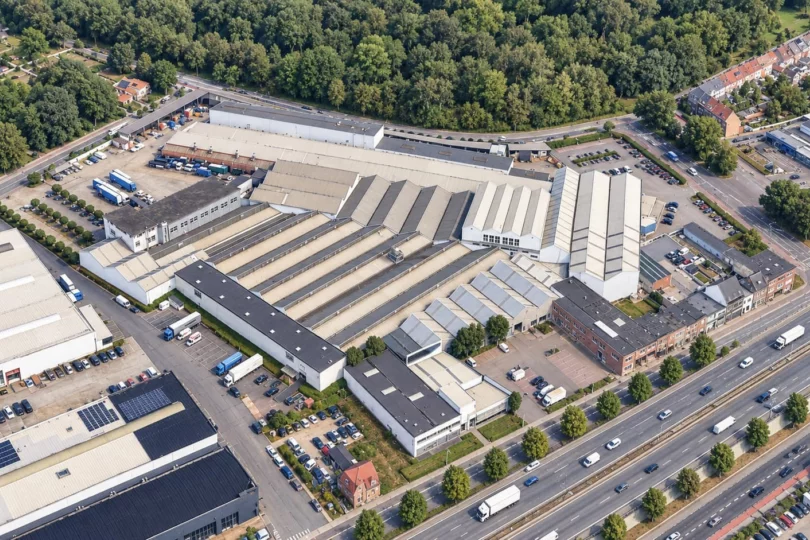
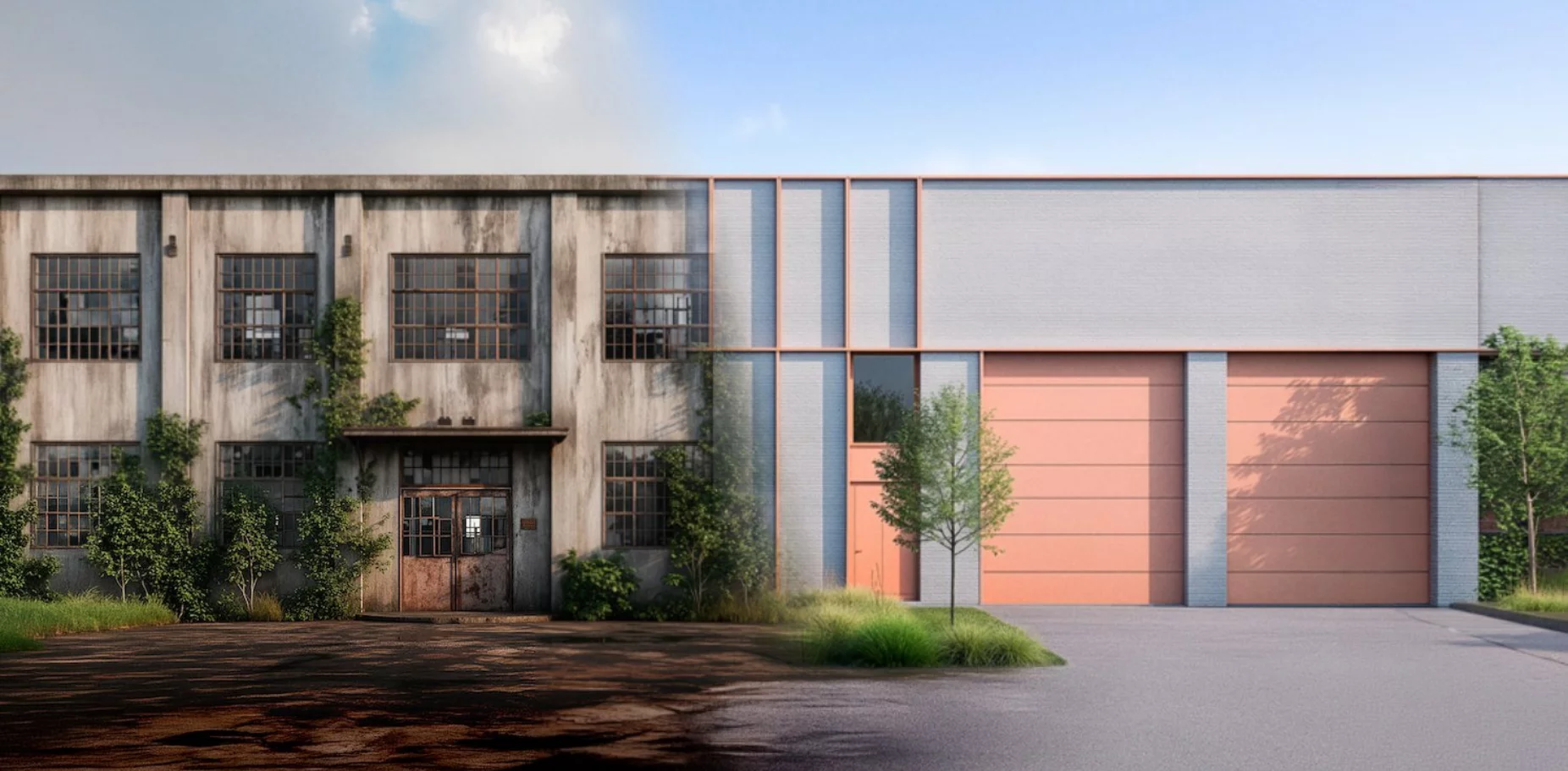
Yet that same study also shows that West Flanders has many hundreds of hectares of existing business land officially regarded as “unused”. In reality, these are often brownfields, outdated sites or former production locations that currently have no new use.
In other words: it ís not that there are no square metres left, but there is a challenge in activation and repurposing.
Hexagon
At Hexagon, we see every day how valuable space in our region lies idle because it is not being redeveloped. Brownfields and underused sites are often in exactly the right strategic locations, close to infrastructure and the labour market.
By focusing on redevelopment, that space can be freed up again for the companies of today and tomorrow. Redevelopment means transforming existing, unused or outdated sites into high-quality business estates or business property where entrepreneurs can set up. Not only is this a smart way to make efficient use of limited open space, it is also a way to build sustainably and with an eye on the future, without taking up additional greenfield land.
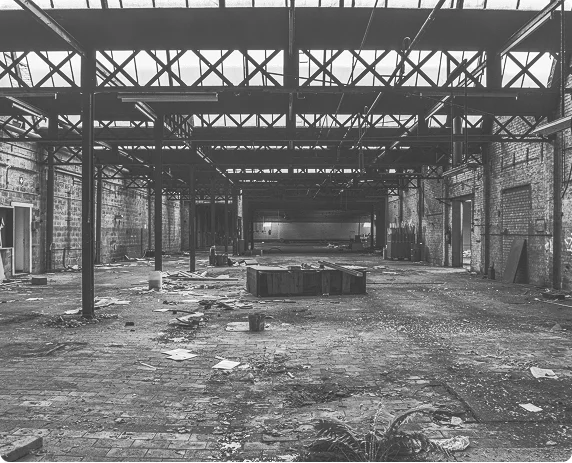
In addition, the build-to-suit concept offers an attractive solution for companies that do not simply want to buy a plot, but need custom-built premises that perfectly match their processes, logistics needs or production requirements.
In a build-to-suit project, a developer such as Hexagon works with the entrepreneur from the very first design, from choice of location to technical construction planning, so that the end result fits seamlessly with the company's growth ambitions.
This kind of custom project can provide just the boost a growing SME needs, when it might otherwise be heading for other regions.
The debate about space should not revolve solely around hectares that are still officially “available”: we need to look at the potential of existing sites, the speed of permitting and flexibility in planning. Today, the constraint lies not so much in the physical square metres, but in how quickly and efficiently they are activated.
That calls for cooperation between public authorities, local government and developers, with an eye for sustainability, respect for the surroundings and economic resilience.
West Flanders does not need to become a backdrop or an abandoned landscape to create space for entrepreneurs. The opportunities and supply are there, but they need to be seized with vision, speed and a tailored approach. By focusing on redevelopment, sustainable regeneration and build-to-suit initiatives, we can activate the existing stock of business land and make new economic momentum possible.
The space for business is there; let's use it wisely, together.