Nieuws
Looking for space to grow? Find out more
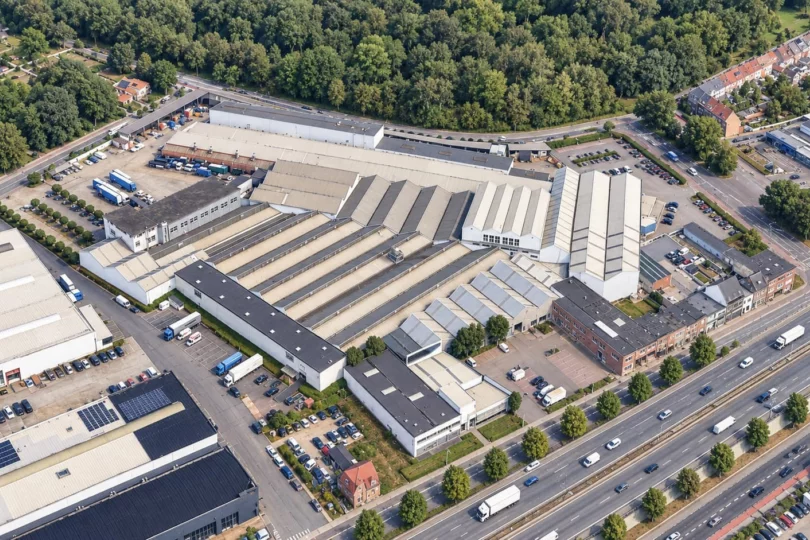
In recent years, ‘contaminated land’ has often been in the news, particularly due to concerns about PFAS and PFOS. If you are planning to sell a plot of land or business site soon, you may have to deal with contamination. At Hexagon, we are happy to inform you about this topic and show you how we can add value.
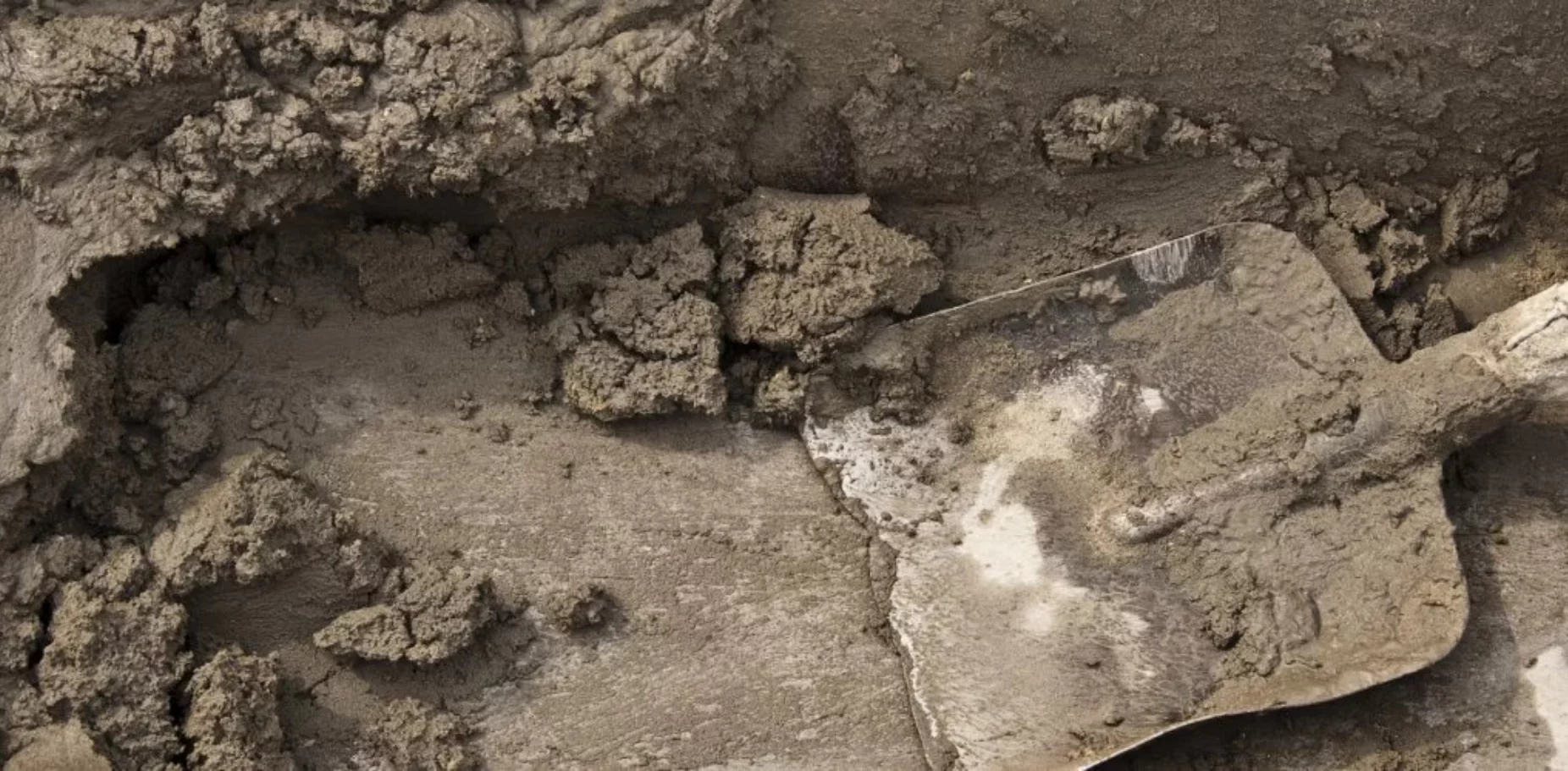
When land is sold, the notary requests soil certificates from OVAM (the Public Waste Agency of Flanders). Depending on the history and current activities on the site, a soil investigation may be necessary. To do this, an accredited soil expert must be appointed to start the procedure. A soil investigation consists of three steps:
1. Exploratory Soil Investigation (OBO):
When an activity is discontinued or a risk site is transferred, an OBO is required. This involves examining the permit history and investigating the risk locations on the site.
2. Descriptive Soil Investigation (BBO):
If the OBO shows that contamination is present, further investigation determines the extent of the problem. Once everything has been mapped, a cost estimate for the remediation is drawn up.
3. Soil Remediation Project (BSP):
Following the exploratory investigation, a soil expert draws up a remediation approach. OVAM must approve it before the remediation works can begin.
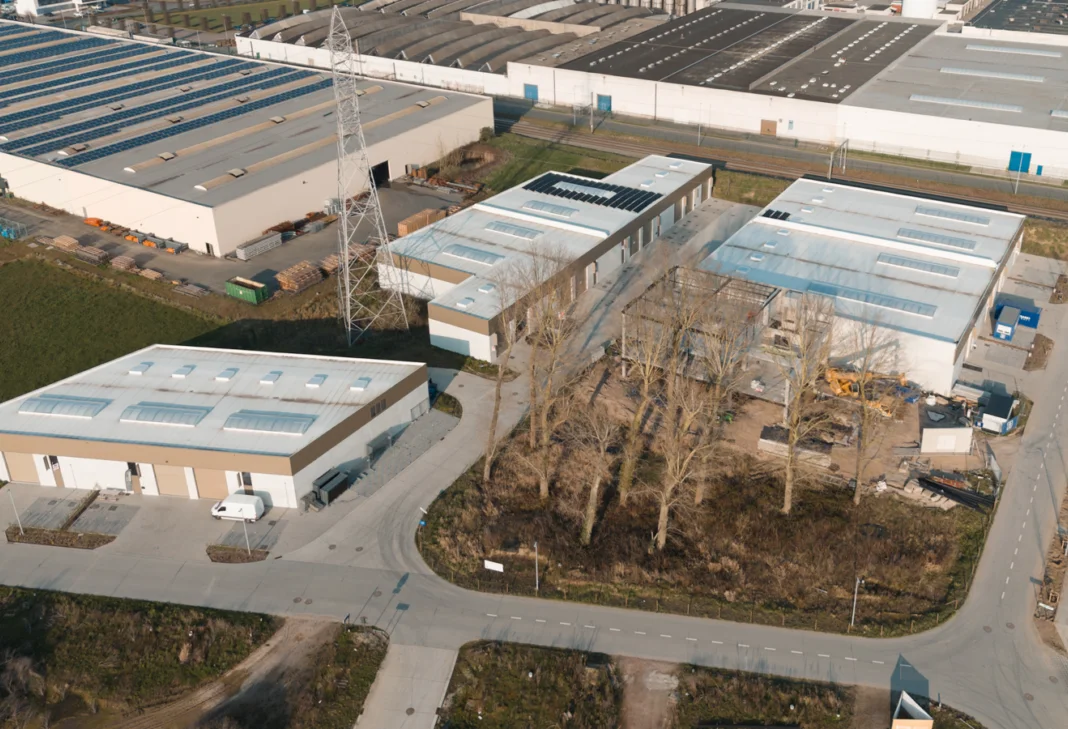
When Hexagon acquires a site that requires remediation, we tackle the core of the contamination and minimise the negative effects as far as possible. There are three main types of contamination, each with its own approach: air, soil and groundwater contamination. With groundwater contamination, the water is pumped up and treated. With soil contamination, the contaminated soil is excavated and taken to a treatment centre, where it can be cleaned biologically, physico-chemically or thermally.
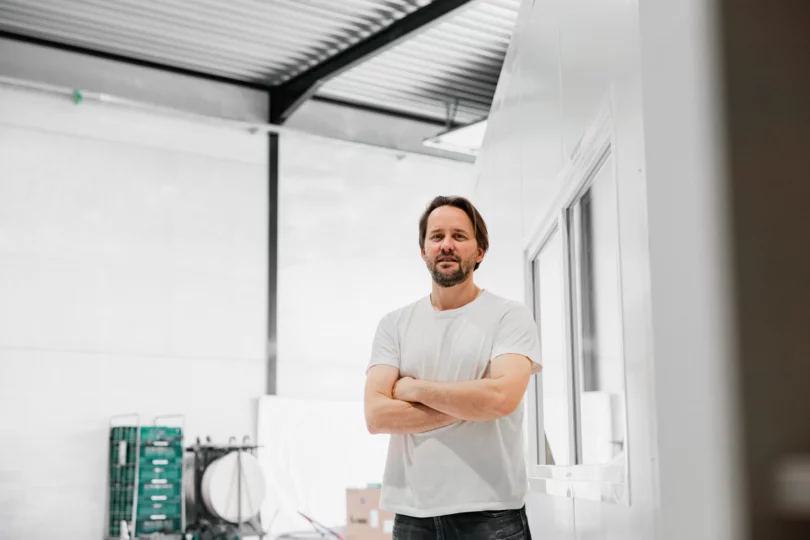
Jelle Vandendriessche, Director of Hexagon
As a sustainable project developer, Hexagon has extensive experience in the redevelopment of contaminated sites. Do you own a plot, piece of land or site, contaminated or not? Choose a worry-free sale to Hexagon.
"We have the know-how to properly assess contamination and integrate it into a balanced development plan. We work cost-efficiently, take over the risk and communicate transparently. That guarantees a win-win situation for both the seller and the surroundings," says Hexagon Director Jelle Vandendriessche.